Transform Your Outdoor Space: Expert Landscaping Tips for a Stunning Home Garden
Reshaping an exterior setting into a stunning residential landscape demands thoughtful planning and intentional action. By assessing the unique characteristics of a property, homeowners can define clear garden objectives. Selecting plants flourish in the regional conditions is essential. In addition, incorporating practical hardscape features improves both beauty and functionality. Nonetheless, the journey won't end there. Discovering how to maintain beauty and ecological health can elevate any garden to new heights. Which strategies produce successful lasting results?
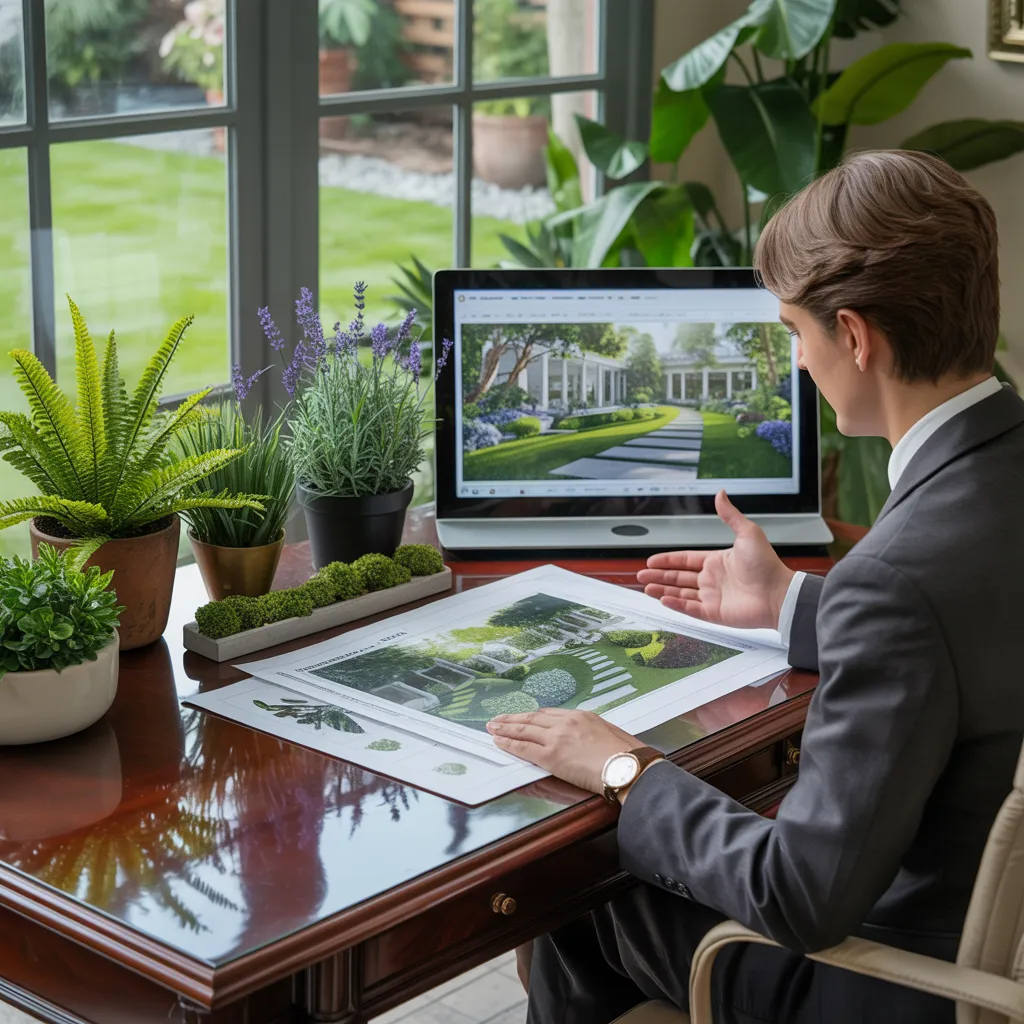
Evaluate Your Outdoor Area to Establish Your Garden Objectives
Before launching any garden project, it is vital for homeowners to thoroughly assess their exterior space. This first assessment enables them to understand the specific features of their property, including light conditions, soil composition, and existing vegetation. Pinpointing these components aids in deciding what types of landscape and design features can be effectively integrated into the location.
Homeowners should document dimensions and record any barriers including trees, fences, or pathways that could affect the design. Additionally, recognizing individual tastes and lifestyle needs—such as entertainment spaces, gardening, or relaxation—can direct the landscaping goals. By clearly defining these aims, homeowners set a strong base for a unified and practical exterior area. This careful assessment results in a greater and satisfying garden renovation, ensuring the exterior environment enhances not just the home's aesthetic but furthermore meets the practical needs of its inhabitants.
Choose the Right Vegetation for Your Regional Conditions
Choosing the right plants for a particular region is vital for creating a flourishing exterior environment. Comprehending local weather patterns, such as temperature ranges, rainfall, and humidity, helps property owners select vegetation that will thrive. Native plants typically adjust best, requiring less upkeep and irrigation. For instance, water-efficient plants are perfect for dry climates, whereas water-preferring plants flourish in moisture-rich environments.
Gardeners should additionally take into account seasonal changes; choosing plants that provide year-round interest enhances the garden. Spring-flowering plants, summer perennials, and vibrant fall foliage can create a striking visual display. Additionally, speaking with local gardening centers or extension services can provide helpful information into hardy plant varieties adapted for specific conditions.
Eventually, a strategically designed vegetation arrangement not just improves visual appeal but also promotes local wildlife and advances environmental sustainability, which makes it a wise choice for any outdoor space transformation.
Improve Your Garden Using Practical Landscape Features
Functional hardscaping elements act as vital components in shaping exterior areas and enhancing their usability. By adding seating zones and well-designed pathways, homeowners can create welcoming outdoor settings that encourage relaxation and movement. Additionally, borders can help delineate different zones within the garden, contributing organization and visual interest.
Structure Your Outdoor Environment
Creating a thoughtfully laid out outdoor space can reimagine a yard into a peaceful sanctuary. One proven approach to achieve this is through practical hardscape features, which establish structure and layout. Pathways made from stone or masonry guide visitors while adding visual interest. Support walls can form layered heights, enhancing the garden's overall design and avoiding erosion. Fencing or trellises can mark boundaries, ensuring seclusion and a sense of enclosure. Incorporating raised garden beds not only establishes growing zones but also makes them more accessible. These elements work together to establish separate areas that improve both visual appeal and practicality. Ultimately, a clearly structured outdoor space fosters a serene environment where homeowners can unwind and appreciate the outdoors.
Incorporate Sitting Areas
Incorporating sitting zones into an outdoor space greatly boosts its usability and appeal. By adding practical hardscape features, homeowners can form inviting spots for relaxation, socializing, or enjoying nature. Choices range from seating, outdoor furniture, or suspended seats, each adding to the landscape's visual charm and convenience. Carefully positioning chairs near focal points, such as flower beds or water features, motivates visitors to participate with their surroundings. Additionally, using materials like stone or wood can complement the garden's design, maintaining design consistency. Protective coverings, such as pergolas or umbrellas, provide comfort during hot weather, making these areas usable year-round. Ultimately, well-designed seating areas reimagine a basic yard into a inviting sanctuary for family and friends.
Create Pathways And Borders
Borders and pathways function as critical features in exterior planning, navigating people within the garden while enhancing its compositional integrity. They encourage arrangement and movement, helping identify separate regions and botanical options. Brick, stone, or gravel options can create solid walkways, while borders derived from decorative screens or vegetation enrich visual attractiveness. Pathways can prompt exploration, highlighting spots such as planting areas or water installations. Well-maintained borders minimize unwanted vegetation and landscape erosion, enhancing garden wellness. When combined, pathways and borders improve practicality while elevating decorative elegance of your garden, creating areas that are more attractive and satisfying.
Build Movement Using Walkways and Sitting Zones
A well-planned garden setting typically includes a balanced circulation established through deliberately situated walkways and rest zones. Walkways direct guests across the garden, providing a definite sense of orientation while enriching the general visual quality. Selecting options such as wood, stone, or gravel can add to the walkway's aesthetic value and ensure longevity.
Sitting spaces create pause areas, inviting guests to sit and value the surroundings. Positioning seating strategically beside focal features, like a waterfall or a flower display, promotes involvement with the garden. Your seating preference—benches, chairs, or even lounges—influences the vibe, whether casual or sophisticated.
Combining walkways and sitting spaces generates a warm environment, upgrading utility and contentment. In tandem, they construct a smooth flow between distinct areas of the garden, stimulating exploration and rest, ultimately reshaping any exterior setting into a calm escape.
Enrich Your Outdoor Space With Seasonal Shades and Character
To boost the decorative value of a garden, strategic selection of seasonal species is vital. Mixing contrasting surface qualities can establish dimension and appeal, while intentionally positioned centers of interest can grab focus and establish a harmonious arrangement. These components in combination promise a vibrant and active outdoor area across the year.
Choose Seasonal Plants Wisely
Selecting plants that bloom seasonally wisely can transform any garden into a dynamic display of colors and textures. By choosing plants that bloom at different times throughout the year, gardeners can guarantee a year-round showcase of blooms. Spring bulbs, summer annuals, fall-blooming perennials, and winter evergreens each contribute unique hues and forms to the landscape. It is essential to consider regional weather and earth composition, as well as the plants' growth habits. Native species often thrive better and require less maintenance, boosting ecological diversity. Additionally, combining plants with varying heights and bloom times can create a dynamic visual effect. Ultimately, thoughtful selection fosters a landscape that transforms throughout additional article the year, offering a delightful experience year-round.
Create Layered Textures For Visual Depth
Building garden depth requires layering textures that complement and enhance seasonal color. By integrating diverse plant species with different leaf patterns, heights, and color schemes, one can create a vibrant landscape design. For instance, the use of broad-leaved plants alongside fine-textured grasses can create contrast and intrigue. Additionally, including natural wood, pebbles, and organic components introduces textural qualities that enrich the overall experience. Flowering displays ought to be thoughtfully placed to offer color bursts across seasons, ensuring that each layer remains visually interesting. This deliberate composition not only draws the eye across the garden but also develops an absorbing environment where each element reinforces the garden's beauty and equilibrium.
Feature Focal Points Deliberately
Artfully positioning focal points can substantially elevate a garden's aesthetic appeal and seasonal vibrancy. These focal points serve as anchors that draw the eye and create a cohesive design. Gardeners can utilize pieces such as monuments, decorative specimens, or striking beds to establish visual magnetism. Colorful blooms can be woven into the careful selection of plants that bloom at different times, preserving the garden's energy throughout all seasons. Textures also factor significantly; uniting smooth pathways with rugged surfaces or abundant greenery provides dimension. By carefully positioning these details, a gardener can create an inviting atmosphere that encourages exploration and appreciation, transforming an outdoor space into an engaging retreat.
Implement Green Practices to Create a Healthy Garden
Embracing eco-friendly approaches is crucial for developing a vibrant garden that succeeds in sync with the ecosystem. Gardeners are advised to utilize native plants, which require lower water and upkeep while supporting community fauna. Implementing natural horticultural techniques, such as composting and organic pest solutions, can greatly cut synthetic chemicals, building a stronger biological community
Efficient water methods, comprising precision irrigation and water collection systems, strengthen green practices by improving resource efficiency. Mulch application conserves hydration additionally reduces invasive vegetation, decreasing the requirement for weed killers. Moreover, fostering plant variety by integrating a variety of plants fosters resilience against pest infestations plus diseases.
Soil condition is critical; practices like crop rotation and protective cropping maintain nutrient levels excluding the need for artificial nutrients. By utilizing such eco-friendly methods, plant growers can build a flourishing garden that promotes plant life environmental health, creating a more satisfying horticultural experience.
Resolve Typical Challenges to Sustain Throughout-the-Year Landscape Beauty
A carefully-tended landscaped area can confront multiple challenges throughout the year, impacting its total aesthetics and health. Frequent challenges consist of pest outbreaks, nutrient deficiencies, as well as water shortage. Recognizing pests early is essential; plant growers should routinely check leaves for injury marks along with address infestations employing organic pesticides or bringing in predatory insects.
Insufficient nutrients frequently display as leaf yellowing or limited growth. Performing soil tests can help pin down distinct needs, enabling for targeted fertilization Nutrient shortages typically show as yellow foliage as well as reduced growth. Conducting soil examinations can assist establish individual requirements, permitting strategic fertilization restoring stability. Additionally, maintaining proper irrigation is essential; too much water can lead to rotted roots, while underwatering pressures plants.
Weather transitions moreover necessitate adjustments to upkeep. In winter, applying mulch guards root areas from frost, whereas the summer season could necessitate higher water needs and shaded areas for sensitive plants. By handling these standard difficulties promptly
Is it Better to Execute Landscaping Myself or Hire a Landscaper?
Certainly, you can manage landscaping projects independently, utilizing online resources and creativity. Nonetheless, hiring a professional delivers proficiency, speed, and potentially superior results, particularly for complicated projects or extensive work requiring expert knowledge.
What Required Tools Are Needed for Yard Landscaping?
Important items for home garden work contain a garden rake, spade, digging tool, hedge shears, fork, and a garden hose or watering can. These tools support successfully maintaining earth, plants, and comprehensive garden care, guaranteeing quality landscaping.
What's the Optimal Approach to Care for My Yard Across the Growing Season?
To keep a landscape healthy year-round, consistently cut back vegetation, spread garden mulch for temperature control, watch moisture levels, and establish seasonal planting methods. Additionally, pest management and nutrient application are essential for vigorous, healthy vegetation.
Comments on “Custom Patios and Walkways using Hardscaping”